Measurement
From two photos, tooth proportion, midline, incisal display and gingival line are measured automatically.
Digital smile design for aesthetic cases · Multi-agent R&D studio
For dentists and digital dental laboratories. From just two photographs, we deliver evidence-based tooth morphology recommendations from a parametric 3D morphology library, a facial-guided digital smile preview, and a production-ready CAD/CAM (exocad-compatible) work package.
Case submission will reopen through a new channel soon; contact only for now.
Five steps. What we need from you: two photos, your form choice, and final approval.
It takes two photographs: a full-face smile portrait and a retracted view. A phone camera is enough.
Tooth proportions, facial midline, incisal curve, and gingival zeniths are measured directly from the photographs.
You receive ranked tooth morphologies with clinical rationale; select your preferred form or specify the aesthetic line you want.
We prepare a facial-guided digital preview with your selected morphology so you can compare before and after with an interactive slider.
Once approved, your selected design is packaged directly for CAD/CAM (exocad-compatible) production.
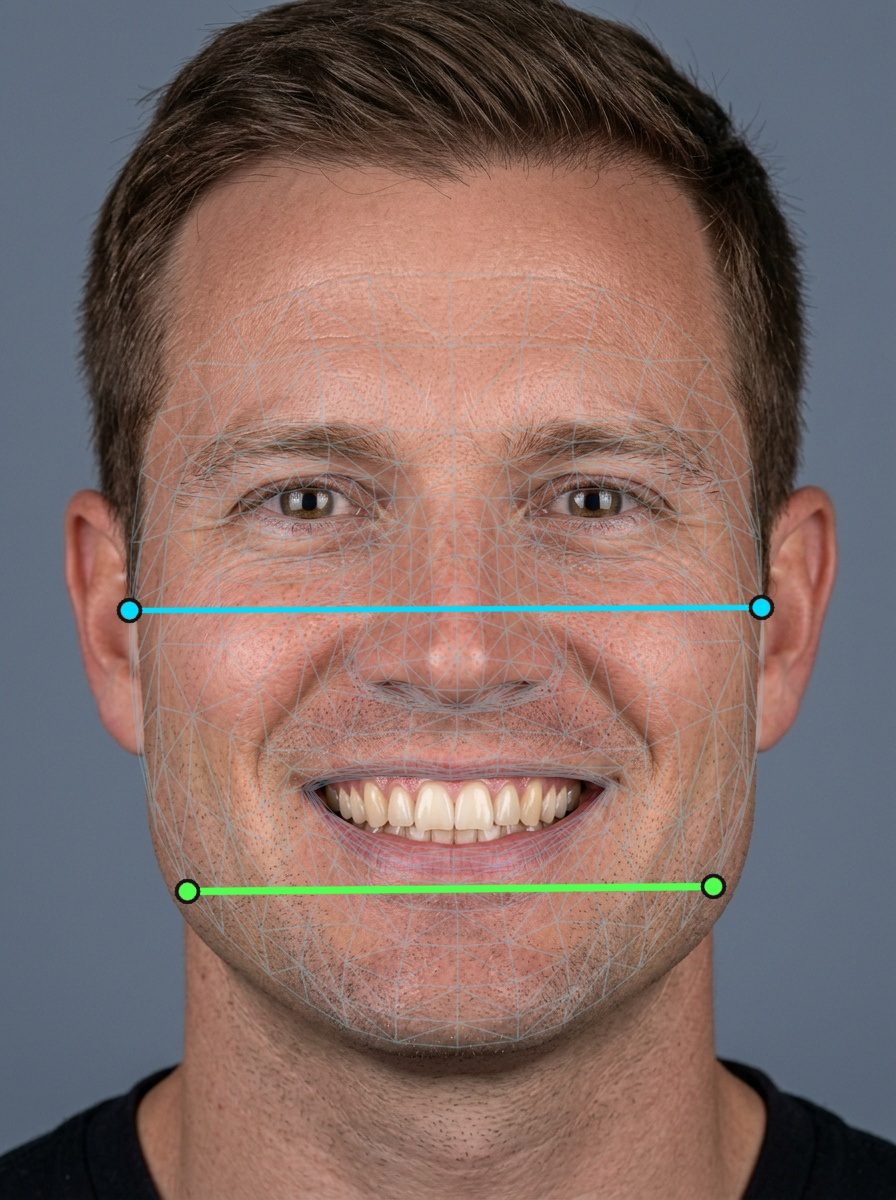
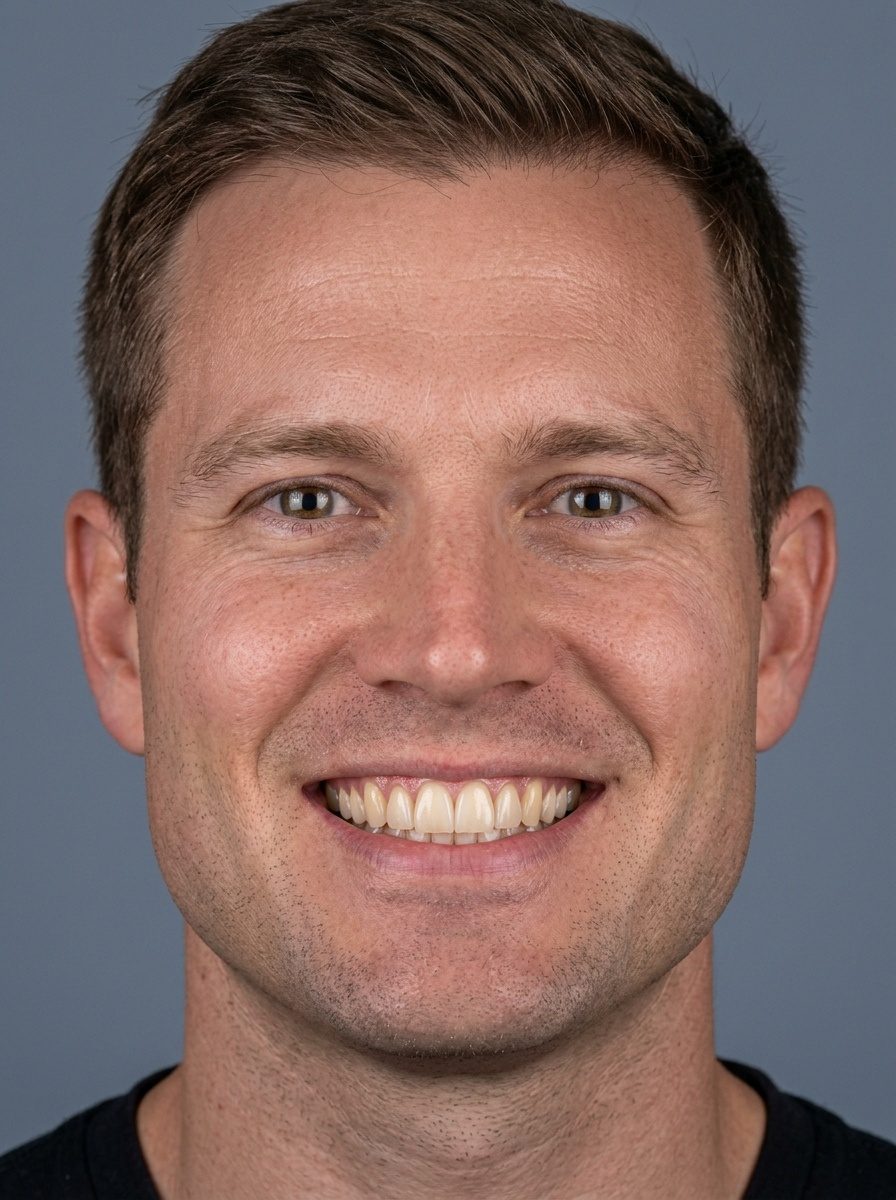
Not a real patient photograph. This is an algorithmic morphology simulation on a 100% synthetic model—not a diagnosis, treatment plan, or medical device output. Clinical decisions rest solely with the treating dentist. Shown on a single synthetic example (n = 1); results will vary across individual faces.
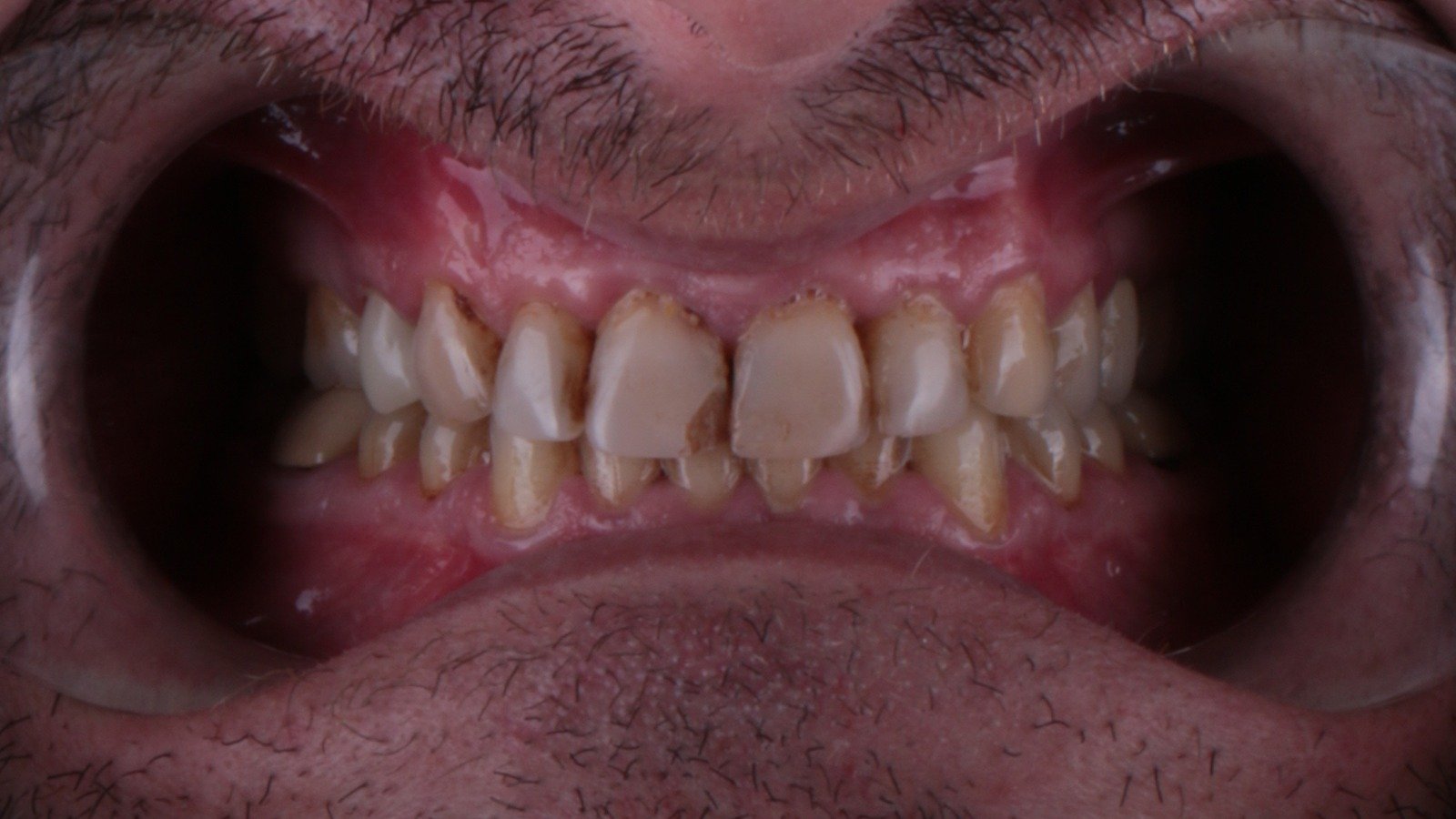 CURRENT
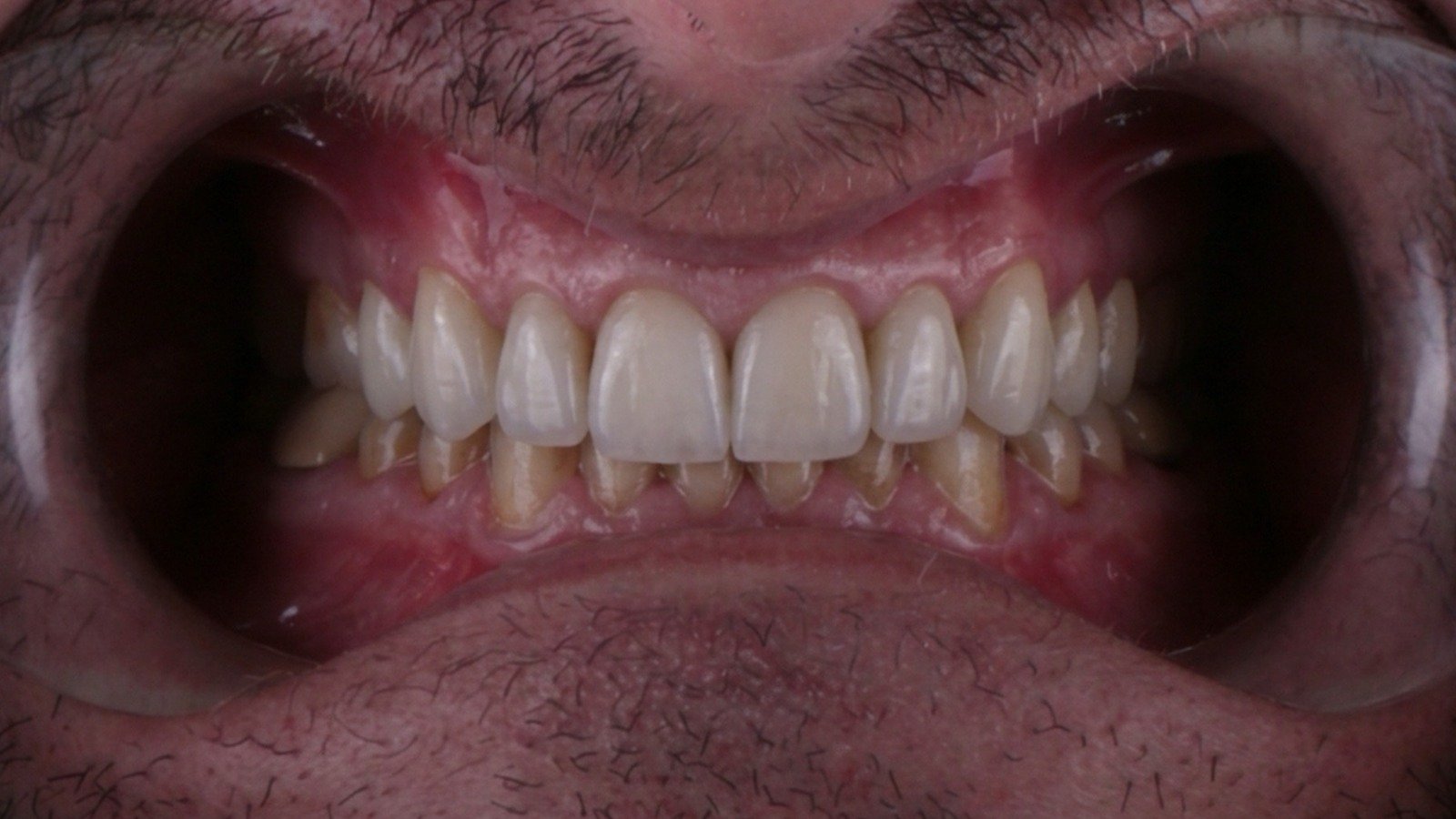 DESIGN PROPOSAL
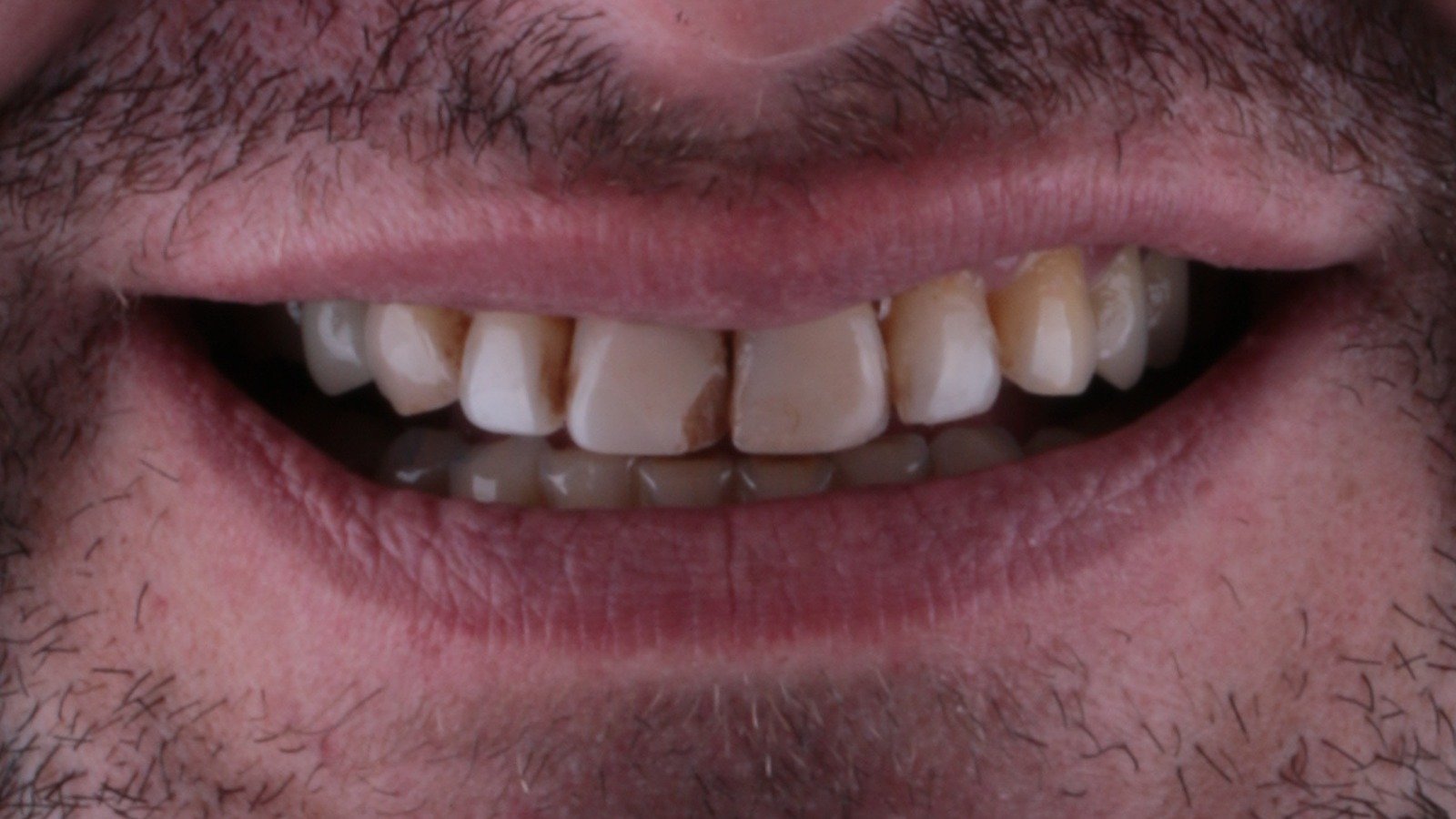 CURRENT
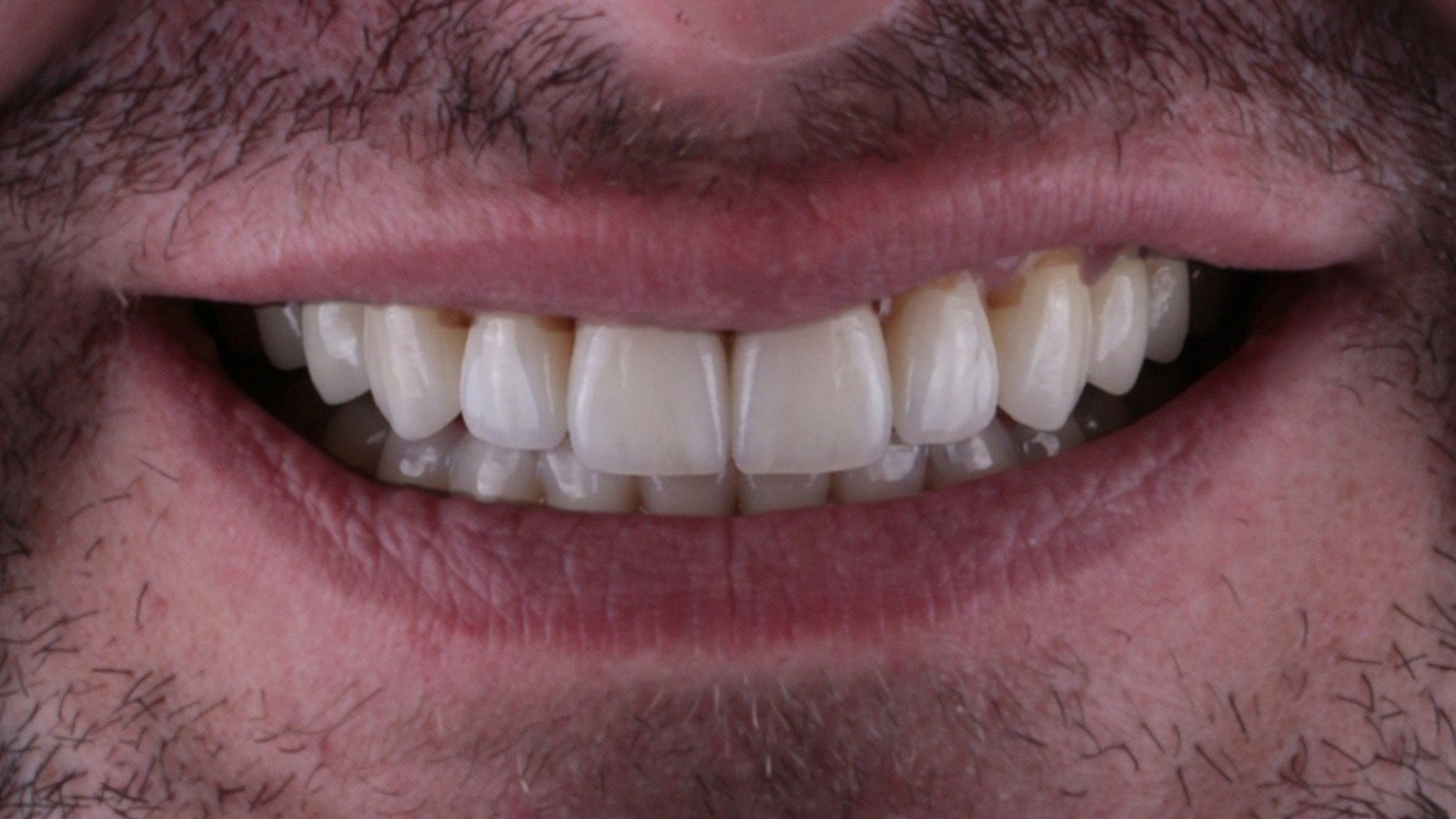 DESIGN PROPOSAL
During analysis, measurement and form ranking are automated; the studio checks every output before delivery. The clinical decision is yours.
From two photos, tooth proportion, midline, incisal display and gingival line are measured automatically.
Based on the measurements and facial proportions, 5 primary and 3 alternative forms are ranked from the 3D tooth morphology library, each with its rationale.
The chosen form is fitted onto the patient's photo with guide lines; tooth count and contour must pass an automated check before anything is sent to you.
You review the preview on a single screen, approve or request a change; after approval the CAD/CAM (exocad-compatible) work package is prepared.
Limit: Atlas does not diagnose, prescribe treatment or promise clinical outcomes; the decision is the dentist's.
The live measurement scorecard of the same multi-agent architecture, the multi-voice Spark thesis method, and our published research essays.
Our multi-agent setup: Anu (Claude) handles coordination, Atlas (Argon) runs execution and review, and Spark runs multi-voice rounds—backed by a 6-gate hypothesis pipeline (QAJAN), a context-blind auditor, and hourly verified live counters.
Generating theses, counter-theses, and falsification tests across isolated model families (Claude, Gemini, Grok, and local models); full scorecard across 67 rounds.
Algorithmic trading, clinical data analytics, exam prep, cinematic video and polyphonic music generation (7,662 lines of code), Atlas App, automated site readers, AI visibility auditing, and clinical photo processing—all run under the same measurement and falsification rules.
Verifies via executable proof commands whether every method cited on the site is actively running today—classifying each as LIVE (CANLI), DEGRADED (AKSAK), DEAD (ÖLÜ), or UNVERIFIED (İDDİA). No one is exempt, Yusuf included.
Living Essays · Spark Syntheses
The untrained model reads a square jaw as “oval” and picks a rounded feminine line. 478-landmark 3D mesh + 1,000-iteration QLoRA: face-shape accuracy 0% → 90.6%, target line 0% → 100% (n = 32 locked test faces); live 3D module on a 100% synthetic face.
The Mirror Twin (SHA-256), the 98.6% Bureaucracy Trap, and a 76-Second MLX QLoRA Harvest: how a 3B model trained with Atlas's laws (93.8%) beat an unruled 31B model (75.0%).
Production that reached shelves in 1963 and vanished around 2009; legal asymmetry, tax base and the most realistic path forward.
Browse all essays in the project log (14 posts: 6 proof notes · 8 essays) →
Two shots: a full-face smile shot and a retracted shot, in daylight or flat light. A phone camera is enough. You can add an intraoral scan if you have one. Patient consent must be obtained prior to work, with patient identity kept out of file names.
5 primary and 3 alternative form suggestions, each with a short reason; a guide-lined before/after preview with your chosen form (single file); after your approval, a CAD/CAM (exocad-compatible) work package.
Yes. Form recommendations and the preview reach you without exocad. A CAD/CAM (exocad-compatible) work package is prepared only if you move on to the arrangement step.
Photos are processed and stored on the studio's devices. For the preview, only an anonymized mouth crop is sent to the cloud image model; patient names, file names, and identifying details never leave our devices. Write to us whenever you want them deleted. Details: Privacy and data note.
Reach out via our contact email; turnaround and terms are given in our reply. We don't sell software; we prepare each case one by one.
Alongside digital smile design, we configure structured medical data architecture and option-driven interactive patient guides tailored for dental clinics.
We organize your clinic's branches, specialists, and treatment protocols with unified @graph JSON-LD schemas and /llms.txt indices so patients and search engines can access accurate clinical information.
Instead of open-ended chat boxes, patients navigate from broad clinical categories down to specific questions through a physician-approved decision tree, accompanied by an interactive 🔊 Neural Voice Site Guide.
Our 478-point 3D facial mesh and QLoRA morphology workflow works seamlessly alongside mobile-first clinical pages and direct WhatsApp consultation routing.
The clinical decision tree and interactive voice guide are assigned to your clinic under an ATLAS-CORE Enterprise Usage License, operating in full compliance with local privacy standards.
1. Smile Design Track (Cephalometric → STL/PLY → Mockup → Evidence): Computer-vision smile design showcase (Smile design Sakarya · AI smile design · CAD/CAM Sakarya · 3D cephalometry · Constrained canvas mockup) → 478-landmark cephalometric alignment and LoRA experiment (TR benchmark) → STL/PLY 3D tooth library and photorealistic inpainting → digital dentistry field verdicts (reader edition).
2. Agent Architecture Track (Spark → Task Bus → Reaper → QAJAN): Spark recursive loop and multi-voice LLM red teaming → event-driven autonomy (multi-agent shared terminal · Benefit Ledger: 49 measured items), task_bus.jsonl architecture, and identity freeze protocol → Reaper auditor and context-blind falsifiability gate → QAJAN 6 mechanical hypothesis gates (EN Hub · TR · AR).
For questions and collaboration.
Case submission will reopen through a new channel soon; contact only for now.